When we first started trying to conceive, I assumed everything on my side was probably fine. I think most people do. You naturally focus on ovulation, timing and cycle tracking, and male fertility just sort of sits in the background as something you assume is working.
That was definitely the case for me. I trained regularly, ate reasonably well, and generally felt healthy. There was nothing obvious that made me think I needed to look any deeper.
I'm Matthew, and alongside my partner Sarah we've been going through our own fertility journey. In January 2024 I sat in a car park and read a lab report that told me my sperm count was 13.2 million and the share of normally shaped sperm was 1%. The clinic's own word for it was oligoteratozoospermia. Low count and irregular shape, together.
I called in sick the next morning. Not because I was ill. I just couldn't face the day.
Twelve months later, a different embryologist wrote my results out by hand because no printer was free, and marked every single parameter normal.
This is what I did in between, what the evidence actually says about each part of it, and, just as importantly, which bits of it probably didn't matter at all.
Who this guide is for
This guide is for you if you're trying to conceive and want to feel proactive rather than guessing, or if you've had a semen analysis that wasn't ideal and aren't sure what to do next.
Most importantly, it's for people who want realistic, sustainable changes, not extreme diets or routines you'll never stick to.
My first sperm test, the moment everything changed
Hewitt Fertility Centre, January 2024. A semen analysis isn't something you feel prepared for. Awkward, a bit surreal, and not something people talk about, but one of the most useful things you can do.
I went in expecting this to be the one part I didn't need to worry about. I trained four times a week. I wasn't a smoker. I felt fine.

When the results came back, two markers were under the WHO reference range.

The numbers that mattered:
- Total count: 13.2 million
- Concentration: 8.6 million per mL
- Progressive motility: 39% (31% rapid, 8% slow)
- Immotile: 58%
- Volume: 1.53 mL
Issues across count, motility and morphology. Even small drops in these make a difference when you're trying to conceive. That was the moment it stopped being vague and became measurable.
I'm putting the bad one in full because leaving it out would make everything after it meaningless.
If you haven't had a test yet, I'd strongly recommend starting there. It takes away a huge amount of guesswork, and we've written the full guide to it here: 👉 Male Fertility Screening: What to Expect From a Sperm Test
What changed in 6 months
Shropshire and Mid Wales Fertility Centre, July 2024. Six months into the plan below, the lab's own written comment read: normal semen profile, antisperm antibody negative.


| Measurement | Jan 2024 | Jul 2024 | Jan 2025 | Normal |
|---|---|---|---|---|
| Total count | 13.2M | 68.0M | – | 39M+ |
| Concentration | 8.6M/mL | 16.6M/mL | 35M/mL | 16M/mL+ |
| Progressive motility | 39% | 72% | 59% | 30%+ |
| Normal morphology | 1% | 5% | 7% | 4%+ |
| Volume | 1.53 mL | 4.10 mL | – | 1.4 mL+ |
Improved through diet, supplements, exercise and consistency. Nothing else.
What happened long-term
I was curious whether it would last, so I repeated the test in January 2025, a year after the first. No printout was available, so the embryologist wrote it out by hand.

Density 35M/mL. Progressive motility 59%. Morphology 7%. Every line marked normal.
The results stayed strong and in some areas improved further. Not random, not a quick spike, which is the entire reason I show three results here instead of one.
👉 One caveat: this is one man's account, not a trial. I changed diet, weight, sleep and supplements at once, so I can't tell you which part did what. That's why everything below is graded against independent evidence rather than against what happened to me.
So Where Should You Start?
That is what happened to me. What happens next depends on where you're starting from. Pick whichever line sounds most like you.
Understanding sperm health (what actually matters)
A sperm test measures four things, not one: count, motility, morphology and DNA integrity. They work together, and if one is off it affects the whole picture.
One of the biggest misconceptions I had was thinking sperm health was just about count. If you've got enough sperm, you're fine. That's what I assumed. It's far more complex than that.
The 4 key factors
1. Sperm count
How many sperm are actually present. Mine was 13.2 million at the start and 68.0 million six months later.
2. Motility
How well they swim. This is the one that moved most for me, and it's the one most affected by energy production inside the cell.
3. Morphology
Their shape and structure. Mine started at 1% normal forms, which is the number that got the "terato" into oligoteratozoospermia.
4. DNA integrity
The quality of the genetic material inside. Most people never hear about this one, and it isn't on a standard report at all. It gets its own section below.
A high count doesn't help if they aren't moving properly or aren't structurally sound. And DNA integrity plays a much bigger role than you'd expect.

For a clear clinical breakdown, the NHS explains this well: 👉 NHS guidance on infertility
Put your own numbers in below, against the same floors mine were: the WHO manual, 6th edition limits of 16 million per mL, 39 million total, 30% progressive motility, 4% normal forms. WHO frames these as decision limits, not pass or fail: the 5th centile of men who fathered a child within a year. Being under one doesn't mean you're infertile. Mine were under, and here we are.
Read Your Own Semen Analysis
Your numbers against the same WHO floors I was measured against. Nothing is sent anywhere.
Enter at least one number above. The placeholders are my own January 2024 results.
What this can fix, and what it can't
This covers the lifestyle-driven, mild-to-moderate end of male fertility. It does not replace a diagnosis: a varicocele, a hormonal condition or a blockage needs a clinician, not a meal plan. Check yourself against the list below first. Most men won't see themselves in any of it, which is the point of checking once.
See your GP this week, before starting a 90-day plan, if any of these apply
- A lump, swelling or persistent ache in either testicle
- Undescended testicle as a child, or any previous testicular surgery
- Previous chemotherapy or radiotherapy
- You currently take, or have taken, testosterone or anabolic steroids
- Difficulty getting or maintaining an erection, or problems with ejaculation (and if it feels more head than body, we've written about that too)
- Very little or no body hair, or unusually small testicles
- A known genetic condition affecting fertility in your family
- Two or more miscarriages with the same partner
These aren't things to work through. They're things to notice.
Skip the home kit, start at the clinic
A home semen test is not a reasonable first screen. I nearly did this the other way round, so I'll say it plainly.
Most don't measure concentration directly. Many detect a surface protein and infer a count, which tells you nothing about motility or morphology, the two things that actually moved for me. My own first result was normal on volume and badly abnormal on count and shape. A kit reading "positive" would have sent me away reassured and wrong.
In the UK a full clinical semen analysis is free. A GP can refer you, and you may not need the standard 12-month wait if there's already a reason for concern.
A Mayo Clinic urologist on which figures actually predict anything:
Why one bad test probably isn't the truth
One poor result isn't necessarily the truth about you. UK guidance asks for a repeat rather than treating a single bad number as final: within 2 to 4 weeks for a very low result, 3 months for most other abnormal findings.
Things that genuinely drag a single sample down. The tags are how solid the evidence behind each one is, and there's a full key further down:
- Recent fever or illness in the past 3 months. Strong Effects last 4 to 11 weeks.
- Wrong abstinence window. Strong It should be 2 to 7 days. Shorter or longer both skew it.
- Sample collected badly or kept at the wrong temperature.
- Natural variation. The same man tested twice in a month can produce noticeably different numbers.
👉 Book the repeat, but start the plan now. Waiting for confirmation burns production-cycle days.
DNA fragmentation, the hidden factor most people miss
DNA fragmentation is damage within the sperm's genetic material, and it isn't on a standard report. You have to request it separately. Results can look fine on paper while the DNA inside isn't intact. I hadn't considered it at all at the start.
High fragmentation is associated with reduced fertilisation rates, poorer embryo development, and a higher risk of miscarriage. Moderate
What causes DNA fragmentation
The main driver is oxidative stress, when the body produces more free radicals than it can handle. A lot of everyday habits feed it without you realising.
- Poor diet lacking antioxidants
- Lack of sleep
- Chronic stress
- Alcohol and smoking
- Heat exposure

👉 If you're heading toward IVF or ICSI, two real selection techniques exist for this. PICSI picks sperm that bind hyaluronan the way a mature sperm does. MACS filters out sperm showing early markers of cell death. Neither reduces fragmentation. They change which sperm gets used.
Unusually balanced on the limitations of the tests themselves:
Further reading: Cambridge University Hospitals' patient information on DNA fragmentation testing, and CARE Fertility on oxidative stress as the main cause of sperm DNA damage.
The 74-day rule (why consistency matters)
A sperm cell takes roughly 74 days to develop, then about another 12 days travelling and maturing through the epididymis before it's ejaculated. Well established
One of the most important things I learned early on was that sperm doesn't improve overnight.
The 74 days comes from a 1963 paper in Science; a 2008 review argued it may be six days shorter. Either way you're working in months, not weeks.

Separate question from how long sperm survive once they've left your body, which is what matters for timing.
What it means in practice is blunt: nothing you change this week shows up on a test next week. The sperm in that sample were already most of the way through development before you changed a thing.
It also means the reverse. When my July result came back transformed, that wasn't June's effort. It was January and February's. A big mindset shift: not quick wins, consistency over time.
My 6-month timeline (what I actually did)
Breaking it into weeks made it manageable.
Basics first: diet and a consistent supplement routine. Then sleep and recovery. As time went on it became less about doing more and more about maintaining.
Weeks 1 to 2
Cleaned up diet, started supplements. Changed what the default was in the shopping trolley rather than relying on willpower.
Weeks 3 to 6
Improved sleep, consistent training. This is where the sleep window became fixed rather than whatever was left over at the end of the day.
Weeks 6 to 10
Focused on recovery and stress. Also where I finally took heat exposure seriously, having ignored it completely up to that point.
Weeks 10 to 12 and beyond
Maintained everything consistently. Nothing new added. This is the stretch where people quit because nothing visible is happening, and nothing visible is supposed to be happening yet.

That consistency is where the real results came from.
Mistakes I made (so you don't have to)
Five things I'd do differently. Looking back:
- I assumed I was probably fine without testing, which delayed everything by months. The test is the cheapest part of this and it's the part that turns guessing into a plan.
- I expected results quickly. That just isn't how this works, and understanding the 74-day cycle earlier would have saved me a lot of impatience.
- I overcomplicated supplements and tried too many things at once. Fourteen of them, in fact. I'd start with about half that now, and I explain exactly which half below.
- I completely ignored heat exposure early on, which turned out to be one of the more important factors and one of the easiest to change.
- I took too much zinc for too long. That one is a genuine safety issue rather than just an inefficiency, and it has its own warning further down.

None of these were massive mistakes, but fixing them made everything much more straightforward.
What actually worked
Six areas, none of them extreme. When I stripped everything back, it was about improving the basics and sticking to them.
- Diet
- Weight
- Exercise
- Supplements
- Sleep
- Heat management
None are game-changing alone. Together, over time, they make a measurable difference. For the couples-level version, Sarah's written 9 natural ways to boost fertility.
Diet: one of the biggest drivers of sperm health
Diet turned out to be one of the biggest factors, cumulatively rather than dramatically. It's the one variable you touch three times a day for the full 90 days. I didn't follow a strict diet or cut everything overnight, I just ate better more consistently.
The part that surprised me on reading the research properly: there is no hero food. What has evidence behind it is a pattern.
The Mediterranean pattern: vegetables, legumes, whole grains, olive oil, nuts and fish, less red and processed meat. Pooling 8 studies and 1,835 men, higher adherence tracked with better semen parameters. Moderate (Agarwal et al., Advances in Nutrition, 2025) Heterogeneity was high, the usual nutrition caveat.
Across the pooled studies, with higher adherence:
- Sperm count roughly 24 million higher
- Total motility roughly 9 points higher
- Progressive motility roughly 7 points higher

Foods I focused on
What I ate regularly, and what each is doing:
- Oily fish (salmon, mackerel, sardines) → supports sperm motility and DNA health
- Eggs → protein, hormones and cell development
- Leafy greens (spinach, kale) → real folate for sperm production
- Nuts and seeds (walnuts, pumpkin seeds) → zinc and healthy fats
- Berries and citrus → antioxidants to protect sperm
- Whole grains (oats, brown rice) → energy and hormone balance
- Greek yoghurt → protein without the processed meat
👉 A normal day looked like this. Nothing clever:
- Breakfast: eggs, or oats with berries
- Lunch: chicken or fish with rice and veg
- Dinner: salmon with potatoes and greens
What I reduced
Not cut completely. They just stopped being the default.
- Processed meat. Moderate Highest intake quartile had 1.7 fewer percentage points of normally shaped sperm than the lowest (Afeiche et al., 2014), in 155 fertility-clinic men.
- Ultra-processed foods (ready meals, fast food), which mostly dropped out entirely.
- Trans fats from fried food and cheap baked goods. Moderate
- Excess sugar and sugary drinks. Weak Genuinely mixed. One large Danish cohort found little link; other work links frequent intake to lower motility. I cut them anyway, but won't oversell it.

What actually mattered
👉 It wasn't about a perfect diet.
👉 It was about being consistent for months.
That's how sperm are actually produced. A perfect week is worth nothing against a decent three months.
If you want the underlying review rather than my summary of it, Diet and Nutritional Factors in Male (In)fertility (Journal of Clinical Medicine, 2020) is the one I kept going back to.
👉 The full food-by-food version of this is Sarah's, written for both partners rather than just the male side: Foods to Eat When Trying to Conceive.
The change that mattered most wasn't on any label
Losing excess weight has the strongest evidence of anything on this page. I went from 105kg to 85kg, roughly a fifth of my body weight. If I could tell you to do one thing, it would be this.
Excess body fat works against sperm production actively: fat tissue converts testosterone to oestrogen via aromatase, suppressing the hormonal signals that drive production. Well established
On the outcomes rather than the mechanism: pooling 21 studies and 13,077 men, obese men had roughly 1.28x the odds of oligozoospermia or azoospermia compared with normal-weight men, and severely obese men roughly 2.04x. Strong (Sermondade et al., Human Reproduction Update, 2013)
Where Does Your Own BMI Land?
The strongest lever on this page. Uses the same bands as the study above, not generic ones.
BMI is blunt and doesn't distinguish muscle from fat. Treat it as a prompt, not a diagnosis.
⚠️ A correction. An earlier version said changes show up above roughly a 10% weight reduction. I went looking for the study behind that and there isn't one. What exists is thinner: in a cohort of severely obese men, count and morphology improved only in those losing 17% to 25%, and that group was ten men. A review in Human Reproduction Update found it isn't neatly dose-dependent at all.
So it's still the strongest lever here, and I can't give you a clean threshold. Anyone who quotes you one is guessing. I lost about 19%.
Exercise and sperm health (what actually helped me)
Exercise is a curve, not a straight line. Well established I thought I'd nailed this one, since I was already training regularly. What I realised is that it's about how you train and how well you recover.
👉 Too little movement isn't great.
👉 But overtraining and constant fatigue isn't great either.
In 231 fertility-clinic men doing a median of 3.2 hours a week, the most active quarter had 43% higher concentration than the least. Push into serious endurance and it turns over: cycling 1.5+ hours a week meant 34% lower concentration than not cycling. Moderate (Gaskins et al., Human Reproduction, 2014)
I misread this at first: 3.2 hours is the cohort median, not the winning dose, and the top quartile trained more. The cycling finding sat on the edge of significance, so treat it as a nudge toward padded shorts, not a reason to sell the bike.
Are You In The Exercise Sweet Spot?
A curve, not a straight line, and I was nearer the wrong end than I realised.
What I actually did
I kept things simple and realistic:
- Strength training 3 to 4 times per week
- Short cardio sessions (skipping, incline walking)
- Staying generally active throughout the day

This was a typical session for me. Quick, simple, and consistent. I wasn't trying to destroy myself in the gym, just keeping my body moving and energy levels up.
Why exercise actually matters for sperm
Regular moderate exercise helps testosterone levels, sperm production, oxidative stress and circulation.
Where I was going wrong (and what to avoid)
A big one for me. Not all exercise helps, especially when it becomes too intense or too constant. Things like:
- Daily high-intensity training
- Constant exhaustion
- Very intense CrossFit-style sessions without proper recovery
- Training hard while sleep is poor
👉 can work against you: chronic stress raises cortisol, high cortisol reduces testosterone, recovery suffers, and over time sperm production is affected. Your body needs to feel recovered to produce healthy sperm.
This cuts both ways in a couple. Overtraining affects cycles too, and Sarah has covered that in overtraining and fertility.

One of the most underrated things I added was getting outside more. Walking, hiking, active without pressure. It helped massively with stress, which has its own section below.
What actually made the difference
Not training harder. Consistency, and the right environment to recover:
👉 Diet lays the foundation.
👉 Exercise supports it.
👉 And then supplements can help fill in the gaps.
Which is exactly what I'll go into next.
The exact supplements I used (and what they actually do)

I went down a rabbit hole with supplements at the start. It's easy to think you need a perfect stack to fix everything overnight. But:
👉 Supplements don't fix poor lifestyle.
👉 They support the improvements you're already making.
Used properly they can still make a real difference, especially for oxidative stress, motility and DNA quality.
Everything I used, grouped by what each one is for, evidence graded. Fourteen is more than I'd take again, and I say which I'd drop at the end.

1. Foundation nutrients (the non-negotiables)
The basics. If you're not covering these, nothing else matters much.
Key supplements:
- Zinc (100mg) Moderate This is the dose I took, and it's too high to sustain. See the warning below before you copy it.
- Selenium (200µg) Moderate
- Multivitamin (men's formula with B vitamins, magnesium, vitamin D)
- Omega-3 fish oil (EPA and DHA) Moderate
- Vitamin C (1000mg) Weak as a standalone fertility intervention, though it's a genuine antioxidant.
Why they matter: testosterone production, sperm formation (spermatogenesis), protection from oxidative damage, and immune and cellular function. Low zinc and selenium in particular are linked to poor count and motility.
👉 Your baseline. Everything else builds on top.
2. Motility and energy boosters
Where I saw the biggest improvements. Sperm need energy to move, and poor motility is one of the most common issues on a report.
- L-carnitine complex Moderate Eight RCTs: real gains in motility and morphology, none on concentration. Ranked first of all antioxidants for motility in a 23-trial network meta-analysis.
- CoQ10 Moderate Eight RCTs and 877 men: real gains in total sperm count, total and progressive motility, and testosterone. No significant effect on concentration.
Why they matter: mitochondrial function, which is energy production inside the sperm cell itself. Fuel to actually reach the egg.
⚠️ The ceiling on this whole section: that 23-trial network meta-analysis found no antioxidant significantly improved pregnancy rates. They move the numbers on the report. Whether that turns into a baby is unanswered.
3. Antioxidants (DNA protection and quality)
Massively overlooked. Even with a decent count, DNA fragmentation can still be a problem.
Key supplements:
- Vitamin C (again, and it earns its place more here than as a general nutrient)
- Omega-3 Moderate
- CoQ10 (overlaps with the group above)
- Selenium Moderate Works alongside zinc on oxidative protection.
Why they matter: less oxidative stress, protected sperm DNA, better morphology.
👉 High oxidative stress means damaged sperm DNA.
👉 Lower oxidative stress means healthier, more viable sperm. This is a huge piece of the puzzle, and the same thread running through the diet, heat and stress sections.
4. Hormonal and adaptogenic support
More advanced. These help regulate stress, testosterone and hormonal balance.
- Ashwagandha (KSM-66) Weak The headline is striking, count up 167% over 90 days, but it's a single-centre pilot of 46 men on one manufacturer's extract, with no meta-analysis. Downgraded from Moderate.
- Fenugreek Weak
- Shilajit Weak
- Panax ginseng Weak
- Maca root Weak
Why they matter: linked to higher testosterone, lower cortisol, better libido, and better count and motility in some studies. Ashwagandha has the most behind it.
Straight about the other four: small trials, inconsistent results. Not useless, but I can't show you good evidence they moved my numbers.
5. Recovery, sleep and stress support
I massively underestimated this. Stress, poor sleep and overtraining can tank sperm quality.
- Magnesium glycinate (3-in-1 blend) Weak for fertility specifically, though it's reasonable for sleep quality.
- Ashwagandha (again, it overlaps here)
Why they matter: deep sleep, recovery, lower cortisol.
👉 Better sleep means better testosterone.
👉 Lower stress means better sperm production.
6. Insulin sensitivity and metabolic support
Niche, but relevant if weight is part of your picture as it was mine.
Key supplement: myo-inositol Weak
Why it matters: insulin sensitivity and hormonal balance, much better established in women's fertility than men's. The best male evidence is one small placebo-controlled trial over three months. No meta-analysis, and it was left out of the big antioxidant analysis entirely. Downgraded on a closer look.
⚠️ The dose I got wrong
The bit I'd least want you to skip, because it corrects my own earlier advice. I took 100mg of zinc daily for months. Far too much to sustain: high-dose zinc long term blocks copper absorption and can cause a documented copper deficiency. Well established
The NHS says no more than 25mg of zinc supplements a day unless a doctor tells you otherwise, warning that high doses reduce copper absorption and can cause anaemia and weakened bones. Recommended intake for men is 9.5mg.
I was taking four times the NHS supplement ceiling, every day, for months. The documented copper-deficiency range in the toxicology literature starts at around 100mg a day, which is exactly where I sat.
If you take zinc for months rather than weeks, keep it at or under 25mg and talk to a pharmacist or GP. Don't copy the number I used.
Is Your Zinc Dose Sensible?
The one I got wrong. Add up everything: zinc tablet, multivitamin, any men's formula.
❌ The combination I'd skip
Zinc and folic acid sold together as a combined male fertility product is one of the most common supplements on the market. Not supported
The largest trial on it, 2,370 men in JAMA, found no benefit: live birth 34% versus 35% without, no difference in semen parameters, and DNA fragmentation slightly worse in the supplemented group. Earlier small studies suggested it helped, which is why it's still on every shelf. That trial superseded them.
What to check before you buy anything
Supplements aren't pre-approved for safety or efficacy the way medication is, and "lab tested", "pharmaceutical grade" and "pure" have no legal definition.
- An exact dose per ingredient? A "proprietary blend" hides how much you're getting, and underdosed products look identical from the front.
- Does that dose match the trial? Search the ingredient plus "clinical dose".
- NSF Certified for Sport, Informed Sport or USP Verified? Real independent tests. Most label claims are not.
- Already getting it elsewhere? Multivitamins overlap constantly, and zinc is the usual culprit.
Two clinicians going through the supplement evidence properly, including which popular ones do not hold up:
What I learned from all this
Looking back, the biggest mistake I made was thinking: 👉 "Which supplement is the magic one?" But the reality was the combination, the consistency, and doing it for months, not weeks.
It wasn't about finding the perfect stack. It was about consistency.
👉 The honest summary on all fourteen, separating two questions that get muddled together:
| Supplement | Evidence | Would I take it again? |
|---|---|---|
| CoQ10 | Moderate | Yes |
| L-carnitine | Moderate | Yes |
| Omega-3 | Moderate | Yes |
| Zinc (25mg, not 100mg) | Moderate | Yes |
| Selenium | Moderate | Yes |
| Myo-inositol | Weak | Yes, cheap and low risk |
| Ashwagandha | Weak | Yes, cheap and low risk |
| Fenugreek, shilajit, ginseng, maca, magnesium, vitamin C, multivitamin | Weak | No |
| Zinc + folic acid combo | Not supported | No |
Seven, not fourteen. The other seven I'd drop, and I'd have saved a fair bit of money.
Heat, cooling and testicular temperature (critical)
Sperm production requires the testicles to be slightly cooler than core body temperature. This was probably one of the biggest changes I made, and one I hadn't considered at all before.
Even small increases affect sperm quality, and heat being bad for sperm is settled science. Well established The link between temperature and sperm motility has been documented since at least a 1977 paper in the British Journal of Urology, and nothing since has overturned it (Thonneau et al., Human Reproduction, 1998).
The hopeful bit: in 17 welders working in radiant heat, normal forms fell after six weeks and rose again after a break. Heat is one of the few things here with direct evidence it reverses.

What I changed
I avoided:
- Hot baths
- Saunas
- Tight underwear
- Laptops on my lap
- Long unbroken periods sitting down
Cooling checklist
- Avoid hot environments
- Wear looser clothing
- Don't rest laptops on your lap
- Reduce long periods of sitting
- Take cooling breaks if your job involves heat
There are also cooling underwear products (Snowballs, for example) built around this idea. 👉 Not essential, but they show how much temperature matters.
Being honest about the underwear question
I changed my underwear along with everything else, so it's in my list above. But checking the evidence properly, boxers versus briefs does not hold up. Not supported That doesn't undo the heat point, which is real and settled. The most repeated tip on the internet is just the weakest item in the category, and I'd rather say so than let you think new boxers are doing the work.
Why cold is not simply the reverse
I assumed the opposite must also be true: if heat is bad, cold must be good. Reasonable-sounding, and mostly wrong.
The honest split:
- Avoiding heat: real, settled, worth doing. Well established
- Deliberate cooling garments (sustained cyclic scrotal cooling, not a cold shower): small trials and a systematic review found real drops in scrotal temperature and improvement in parameters. Moderate
- Ice baths and cold showers for fertility: a brief cold shock is not the same intervention as sustained cooling, and the evidence doesn't support it as a fertility strategy. Weak
- Boxers versus briefs: not supported by good evidence, despite being the single most repeated piece of advice on the internet. Not supported
The one almost nobody warns you about
Extra testosterone from outside your body shuts down sperm production. Well established If you take TRT or anabolic steroids, this is the most important section here, and it's left out of nearly every article like this.
Three steps:
- Your brain reads the high blood testosterone and concludes the testes don't need to make any more.
- The pituitary stops releasing LH and FSH, the signals that actually drive sperm production.
- Testosterone inside the testes collapses, and it's that intratesticular level, not the blood level, that sperm production depends on.
The cruel part: blood testosterone looks great throughout. You can feel excellent and be producing almost nothing.
The good news is it usually reverses. Pooling 30 studies and 1,549 men coming off hormonal male contraception, which suppresses production the same way, sperm returned to 20 million per mL in about 67% within 6 months and 90% within 12. Well established (Liu et al., The Lancet, 2006)
⚠️ A correction: the "70% recover within 12 months" quoted everywhere comes from 66 men given hCG and a SERM, not from stopping and waiting. Salvage treatment, not spontaneous recovery. Specialists do use hCG and SERMs such as clomiphene for men who want fertility preserved.
👉 This is a doctor conversation, not a supplement decision, and it's the most reversible item on this page. If you want a fallback first, understand sperm freezing in the UK before you start, not after.
Sleep: seven to seven and a half
Seven to seven and a half hours is the sweet spot, and it really is a spot rather than a floor. Moderate Much of your testosterone is produced overnight, peaking at the first REM episode, so a short night cuts into the window that makes it. Well established
In 796 male students followed for a year, semen quality improved with sleep up to a point then fell away again, and the 7.0 to 7.5 hour group had the best volume and total count (Chen et al., Sleep, 2016). Over 9 hours was linked to 39% lower total sperm number. The short-sleep end pointed the same way but wasn't statistically solid.
Where Do Your Own Hours Land?
Seven to seven and a half is a sweet spot, not a minimum.
A reproductive endocrinologist on sleep, stress and hormones:
If you snore, read this bit
Obstructive sleep apnea is independently associated with lower testosterone. Strong Pooling 18 studies and 1,823 men, it held after adjusting for age and BMI, so it isn't just a proxy for being heavier (Su et al., Andrology, 2022). The effect was significant in severe apnea only, so this is a reason to get assessed rather than to assume every snore costs you testosterone.
👉 Loud snoring, or a partner noticing you stop breathing, is worth a GP conversation. Common, treatable, and widely written off.
Melatonin, honestly
It genuinely is an antioxidant and the lab-dish evidence looks compelling, but human trial evidence for sperm quality is thin. Weak Fix the room instead: same sleep window daily, dark room, less light in the hour before bed.
Stress: it's not the job, it's the accumulation
It's general life stress that tracks with semen quality, not job strain. Moderate I assumed the opposite: long hours, bad manager, worse sperm.
In 193 men aged 38 to 49, accumulated life stress was associated with lower concentration, motility and normal morphology. Job strain on its own was not (Janevic et al., Fertility and Sterility, 2014). It's cross-sectional, so it shows association rather than direction.
The mechanism is settled: chronic stress drives cortisol, cortisol suppresses GnRH, and that turns down the LH and FSH signals driving sperm production. Well established Same axis TRT shuts down, and the one overtraining pushes on.
The loop nobody warns you about
It runs both ways, and this took me longest to see. Stress affects fertility, and trying to conceive, the tests, the waiting, the timed sex, the results envelopes, creates real stress of its own that feeds straight back in. For some couples it becomes self-sustaining, and the sheer intensity of wanting it turns into one of the things working against you. Naming it is most of the value.
One randomised study put 102 men through mindfulness-based stress reduction; seminal oxidative stress and DNA damage both improved. Weak Graded Weak deliberately: the men were fathers of children with a rare inherited eye cancer, and the journal isn't PubMed-indexed.
The one thing to take: it's accumulated stress that counts, and talking about the loop with your partner is free.
I've written the other half of this properly, because it deserved its own space: how to cope with the stress of trying to conceive, and how to talk to your partner about trying again if you've had a loss.
The exposures you didn't choose
Most of this section won't apply to you. Everything above is a decision you make. This part isn't.
- Plastics. Moderate Odds ratio 1.67 for abnormal sperm quality (Scientific Reports), covering phthalates and organochlorines, not BPA as I'd previously said. The realistic swap: don't microwave food in plastic, since heat drives migration.
- Occupational heat. Strong The strongest evidence in this section, and the one with direct evidence it reverses: in welders exposed to radiant heat, morphology fell with exposure and recovered after a break. Cooling breaks genuinely matter if this is your job.
- Pesticides. Moderate 766 men: real reductions in concentration, motility and morphology with occupational organophosphate exposure. Total count didn't survive sensitivity analysis. A farming issue, not a washing-your-apples one.
- Air pollution. Moderate 33,876 men across 340 Chinese cities. A motility finding rather than a count one, strongest for exposure 70 to 90 days before the sample. Also the item you control least.
- Your phone in your pocket. Weak 18 studies, 4,280 samples found associations, but no dose-response: heavier use wasn't worse, which argues against causation. Moving it costs nothing, so do it without believing it's decisive.
Do it all at once, or one thing at a time?
Change everything at once. My instinct was one thing at a time so I'd know what worked, and for this it's the wrong way round. You aren't running a trial on yourself, you get one production cycle at a time, and six variables at ninety days each is the better part of two years.
The FASt randomised trial put young men on a four-month Mediterranean diet and activity programme. Concentration, motility and morphology all improved, and got worse in the controls. Moderate (Montano et al., European Urology Focus, 2022) Caveat: those men lived in highly polluted areas, and the trial bundled diet and exercise rather than testing bundled against sequential. It's also the honest reason I can't tell you which of my own changes did the work.
If the retest didn't move
Ninety days done properly and the number comes back flat, or worse. It happens.
One result is one result, so ask for a confirmatory test first. But a flat retest after a genuine 90 days is information, not failure. It's the signal to stop optimising alone and get a work-up: hormone profile, examination for a varicocele, referral to a urologist. A better use of month four than another supplement.
If you've been at this a long time already, why am I not getting pregnant is the harder, longer-view version of this conversation.
How every claim here is graded
Everything above carries one of five tags. This is what they mean.
Strong A large, well-designed randomised trial, or a consistent body of meta-analyses.
Well established Settled biology or mechanism rather than trial evidence. Same weight, different kind of proof.
Moderate Real evidence, usually observational or from smaller trials. Real, but not settled.
Weak Plausible, but the evidence is thin, mixed, or mostly not in humans yet.
Not supported Popular advice that the best available evidence does not back up.

Where the evidence is thin, this article says so. My results are my results; where I make a general claim, you get to see how solid the ground under it is.
What actually worked, ranked
Everything above, in one list, strongest evidence first. If you keep one section, keep this one.
| What to do | Evidence | Note |
|---|---|---|
| 1. Lose excess weight | Strong | Strongest evidence here. My own 105kg to 85kg. |
| 2. Stop steroids or TRT | Well established | Most reversible item on the page. A doctor conversation. |
| 3. Stop smoking | Strong | Density 13 to 17% lower (Vine 1994; 2016 meta-analysis) |
| 4. Control occupational heat | Strong | Only if your job involves it, but proven to reverse. |
| 5. Mediterranean eating pattern | Moderate | A pattern, not a hero food. |
| 6. Sleep 7 to 7.5 hours | Moderate | Plus getting loud snoring checked. |
| 7. Evidence-backed supplements | Moderate | CoQ10, omega-3, zinc, selenium, L-carnitine. |
| 8. Exercise in the sweet spot | Moderate | Serious endurance training can work against you. |
| 9. Structured stress reduction | Moderate | General life stress, not job strain. |
| Not worth it | Not supported | Zinc + folic acid combo, boxers vs briefs, ice baths. |

Backed by science (worth a watch)
If you want a deeper understanding, there's a brilliant episode of Andrew Huberman's podcast worth watching. He's a Stanford neuroscientist, and here he sits down with Dr Michael Eisenberg, a urologist and fertility expert, on what really affects sperm quality: testosterone, diet, sleep, exercise, heat and lifestyle.
What I found most useful is that it reinforces the idea that this isn't about quick fixes. It's about consistently improving the basics over time. Watch it on 1.5x speed. It's long, but you'll learn a huge amount.
Frequently asked questions
How long does it take to improve sperm quality?
Around three months at minimum. Sperm take roughly 74 days to develop plus about another 12 days maturing on the way out, so nothing you change this week appears on a test next week. A repeat semen analysis is only meaningful about 90 days after you start.
What actually improves sperm quality the most?
If you carry excess weight, losing it has the strongest evidence of anything. If you take testosterone or anabolic steroids, stopping is the highest-impact and most reversible change available. After those: a Mediterranean eating pattern, 7 to 7.5 hours of sleep, avoiding heat, and moderate rather than extreme exercise.
Can sperm count be increased naturally?
In the lifestyle-driven, mild-to-moderate range, yes, and my own total count went from 13.2 million to 68.0 million over six months. But some causes of low count are structural, hormonal or genetic, and those need a clinician rather than a diet.
Which supplements actually improve sperm quality?
Five have moderate or better evidence: CoQ10, omega-3, zinc, selenium and L-carnitine. Myo-inositol and ashwagandha have real but thinner evidence, and I'd still take them. Zinc combined with folic acid as a single product is not supported: a trial of 2,370 men found no benefit at all. And watch your zinc dose, because the NHS ceiling for supplements is 25mg a day and I was taking 100mg.
Do boxers really help sperm count?
Not according to good evidence, despite being the most repeated tip on the internet. Heat as a whole genuinely matters, so hot baths, saunas and laptops on your lap are worth avoiding. The specific underwear question is not supported.
Do ice baths or cold showers improve sperm?
Heat being harmful does not mean cold is helpful. Sustained cooling garments have some real evidence behind them. A brief cold shock is a different intervention, and the evidence doesn't support ice baths as a fertility strategy.
Does testosterone therapy affect fertility?
Yes, significantly. External testosterone shuts down the LH and FSH signals that drive sperm production, and intratesticular testosterone collapses even while your blood level looks excellent. It usually reverses: pooling 30 studies and 1,549 men, about 67% recovered within 6 months and 90% within 12. The widely quoted "70% within 12 months" actually describes men given hCG and a SERM, not spontaneous recovery. Speak to a doctor rather than stopping unsupervised.
How much sleep is best for sperm quality?
Seven to seven and a half hours. The research shows an inverse U-shape rather than "more is better", with both short and long sleep associated with poorer parameters.
Final thoughts (what actually matters)
The biggest mistake I made was assuming everything would be fine.
Male fertility is something you can influence. You don't need extremes. You need:
- Consistency
- Awareness
- Time

Looking back, that's what made the difference. Not one supplement. Not one perfect diet. Not one intense training phase.
👉 It was doing the basics well, over and over again.
What I'd tell anyone starting this now
If you're early in your journey or feeling stuck: start with clarity. Get a test done. Pick a retest date ninety days out and write it down. Change your defaults rather than relying on willpower. Then be boring about it for three months.
And give it time to work. Because it does.
What I can't do is promise you an outcome, which is exactly why everything above is graded. Some causes need a doctor, and no amount of salmon and sleep hygiene changes that.
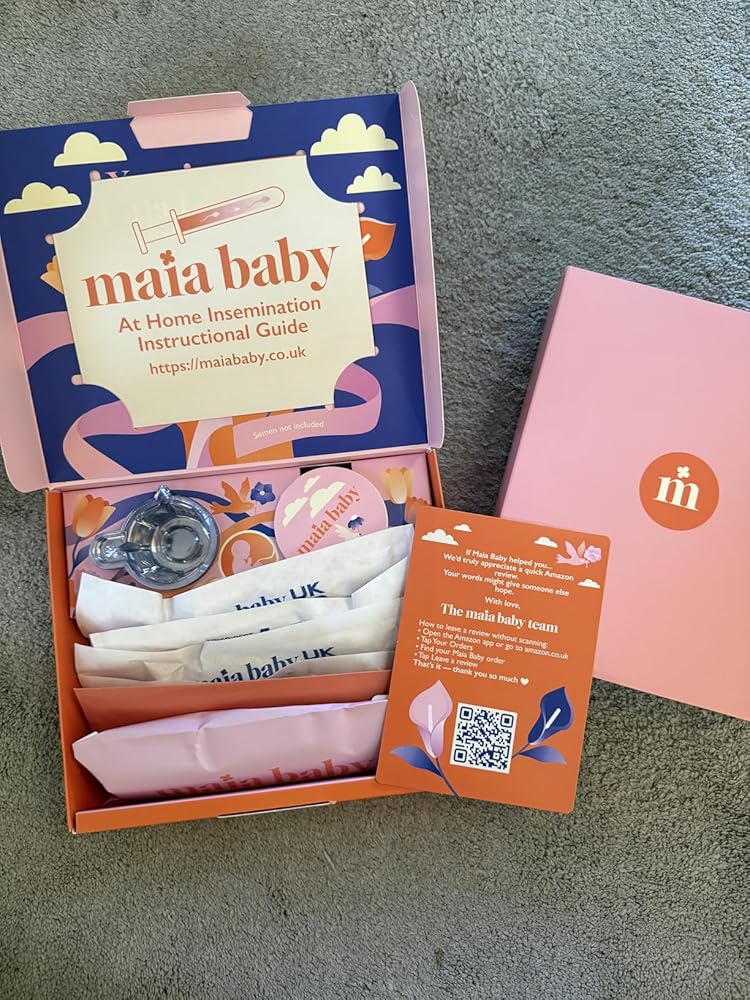
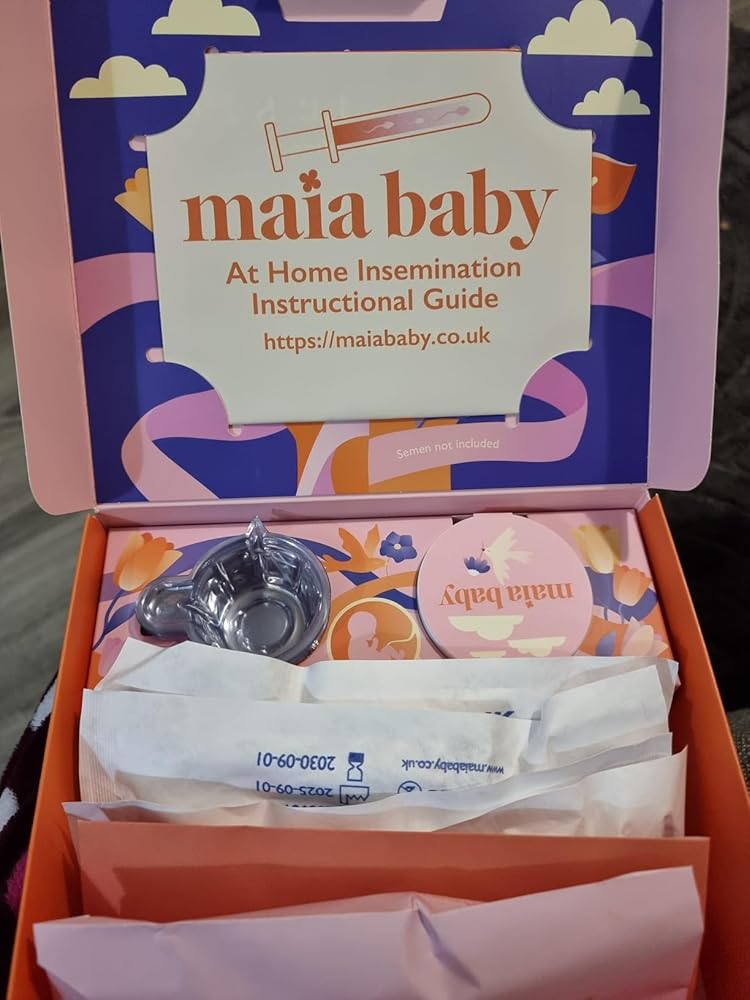
👉 Once your numbers are where you want them, timing becomes the question. That's what we built the Maia Baby at-home insemination and fertility tracking kit for. Worth reading alongside it: when to actually inseminate and what treatment costs in the UK.
I'm writing the long version up as a book, Sort Your Sperm Out. It isn't finished yet. The TTC nutrition guide is free on the site meanwhile.
This process isn't just physical. It's emotional, stressful at times, and something you go through together. That support matters more than you realise.
Keep reading
- Male Fertility Screening: What to Expect From a Sperm Test
- How Long Do Sperm Stay in the Body?
- Foods to Eat When Trying to Conceive
- Best Time to Get Pregnant: When to Inseminate for Conception
📌 This article reflects my own journey, my own lab results, and the research behind each claim. It isn't medical advice. Always speak to a GP or fertility specialist about your own situation, particularly if anything in the red-flag list above applies to you.